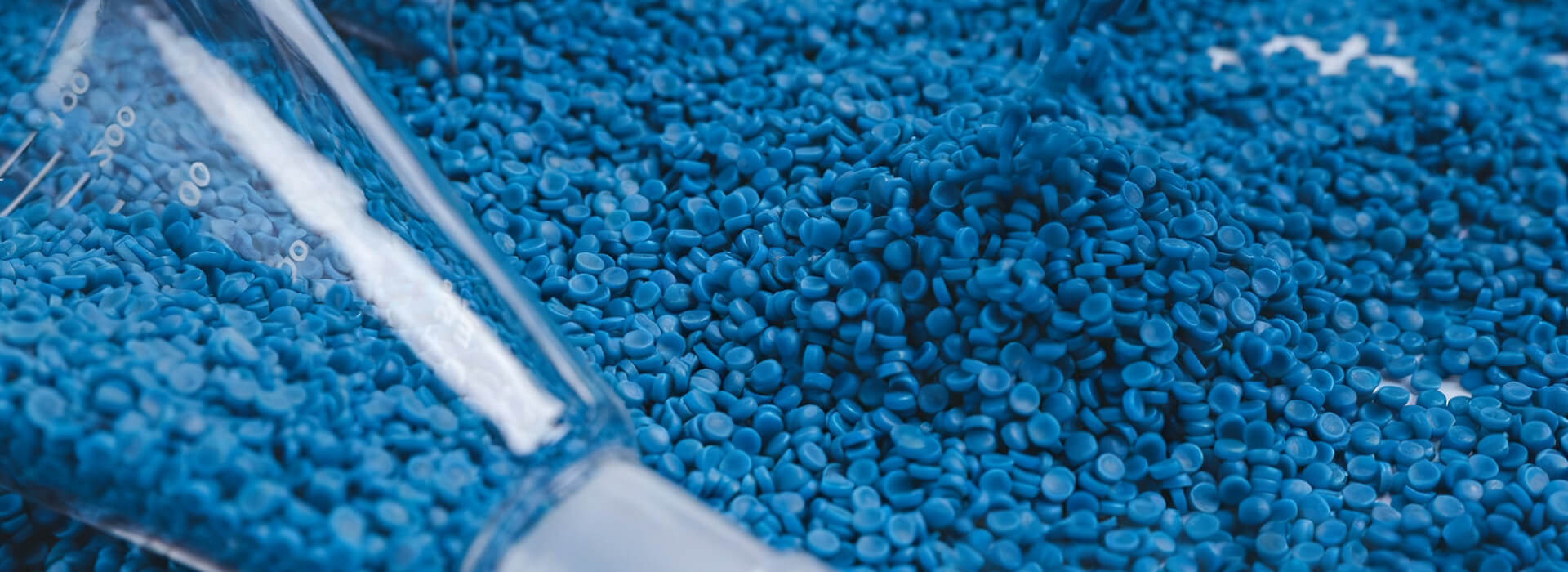
PVC, or polyvinyl chloride, originally emerged from early 20th-century chemical tinkerers who stumbled on a solid white powder formed when vinyl chloride gas exposed itself to sunlight. This resin didn’t catch much attention until the 1930s, when industrial researchers found commercial routes to polymerize this fickle material. They aimed for an affordable, robust plastic. Shift to the post-war years—suspension polymerization evolved as the go-to method, turning out grainy resin that shaped pipes, cables, and window profiles around the globe. This approach let manufacturers scale up, keep costs down, and hit the kind of properties that turned the tide for plastics in construction and manufacturing. The resin’s journey mirrored changes in society, like city-building on a scale never seen before, and every home ended up with a PVC touch—from water lines to credit cards.
Suspension resin sits at the core of most PVC applications. The process starts with vinyl chloride monomer droplets suspended in water, all encouraged by stirring and a dash of various additives—think initiators, dispersants, and chain regulators. What comes out are pearly, free-flowing grains. After drying and sieving, these little beads pack toughness, flexibility, and good heat resistance. They flow well, process smoothly, and blend with all kinds of modifiers—plasticizers for softness, stabilizers to resist aging, and fillers to match the budget. This versatile stuff ends up in sewer pipes, automotive parts, synthetic leather, wall coverings, and children’s toys.
PVC suspension resin forms a white, slightly grainy powder. Each resin grain hides a chlorine-heavy polymer chain, repeating units that look like building blocks. Mechanical strength stands out—PVC outlasts most natural materials when exposed to moisture and sunlight, though it breaks down under too much heat or UV without help. Water won’t dissolve it, yet aromatic solvents can cause swelling. Chlorine on the chain provides chemical resistance against most acids and alkalis, setting it apart from other plastics. Bulk density, porosity, and particle size vary by grade—manufacturers adjust these parameters for pipes, sheets, foams, and wires, matching the recipe to the job.
Technical standards for PVC resin revolve around properties like degree of polymerization, K-value (tied to molecular weight), particle size distribution, bulk density, and volatility. International systems such as ISO 9001 or American ASTM define how these measurements get recorded and labeled. Each sack or drum shows the K-value, certification stamps, lot number, and hazard labels, since raw vinyl chloride monomer left in traces can pose risks. These details shape processing choices downstream. Producers keep strict logs, from the reactor controls to shipping labels, tracing every batch to the plant and day of production.
The backbone of suspension polymerization lies in its straightforward yet controlled chemistry. Vinyl chloride monomer, water, and suspension agents pour into a stirred vessel. Initiators spark the chain reaction, as small droplets of monomer hang suspended like tiny balloons. The initiator, often an organic peroxide or azo type, pops in, kicking off free radicals that grab onto monomer and build chains. As beads of polymer grow, the process holds them apart so they don’t stick into one big ball. After reaching desired size and conversion, reactors cool down, pressure drops, and the grains filter, wash, and dry. All along, optimization targets three things: maximum yield, safe operation, and minimal environmental waste.
Base PVC resin chain stacks up from vinyl chloride monomer (CH2=CHCl). Add heat and an initiator, and those small molecules link end to end into long, tough chains. Chemists haven't stopped there—they tweak the resin's properties by grafting other monomers, blending plasticizers, or using stabilizers that slow the breakdown of chains in heat or sunlight. Today’s market demands more: copolymers and alloys where PVC resin mixes with ABS, nitrile, or acrylics to boost impact resistance or chemical tolerance. By shifting composition or adding tiny amounts of functional molecules, creators match the resin to everything from medical tubing (where clarity and purity matter) to hard-wearing outdoor panels.
Commerce recognizes PVC resin under many banners: polyvinyl chloride, chloroethylene polymer, and simply “suspension PVC.” Product codes from big manufacturers assign nicknames like S-65, SG-8, and R-1300, each marking a particular K-value, particle size, or end-use—for example, paste resin for coatings or powder for pipes. Trade names vary worldwide, with legacy brands still recognized in buyer conversations. Despite the alphabet soup, the fundamental chemistry remains unchanged—chains built from vinyl chloride, made for manufacturers looking for consistency and scale.
Production of PVC resin means working with vinyl chloride, a substance that can harm health if not controlled. Modern plants invest in closed systems, leak detection, and strict ventilation. Industry standards set exposure limits and spill cleanup rules—no shortcuts here. Personal protective gear remains standard, but engineering controls make the biggest difference: scrubbers, pressure relief valves, and alarm systems take the risk out of day-to-day operations. Finished resin is much safer, with only trace monomer left, but workers and neighbors rely on constant testing and process improvements. Regulations like OSHA and REACH add teeth to enforcement, making sure both product and environment stay safe.
The reach of suspension PVC resin shows up in city pipes, window frames, wire insulation, shoes, automotive interiors, and more. Rigid formulations create sturdy sections for construction—wastewater, drinking water, and cable conduits line up in miles. Flexible blends land in film, synthetic leather, inflatables, and blood bags. These uses keep expanding as chemists develop grades that can go thinner, last longer, or stand up to harsher environments. Recycling still faces challenges due to additives and contamination, but new mechanical and chemical routes hold promise for taking old PVC scrap and turning it back into resin or other valuable goods.
Labs and pilot plants test new ideas relentlessly. Technicians look for catalysts with less toxicity, processing aids that boost throughput, and recipes that skip heavy metals like lead and cadmium. Lighter, tougher, more flexible—every modification aims at market needs or cutting the industry’s environmental footprint. Energy-saving reactors, low-emission ingredients, and digital process controls show up in presentations at every polymer conference. Cross-industry partnerships—universities teaming up with manufacturers and regulators—give birth to standards on recyclability or toxicity. Product cycles move quickly, but rigorous protocols make sure new grades match or beat safety and performance barometers.
Health and safety studies on PVC resin focus, in large part, on the starting monomer—vinyl chloride. Until the 1970s, insufficient controls led to industrial accidents and, over time, links between exposure and rare liver cancers. Today, stricter rules and process changes have cut exposures dramatically in responsible companies. Finished PVC, especially after thorough removal of residual monomer, rates as nontoxic for everyday handling, but additives such as phthalates and older stabilizers raise questions about long-term leaching, especially where food or blood contacts the end product. Ongoing research explores alternatives: phthalate-free plasticizers, tin or calcium-zinc stabilizers, and bio-based modifiers to erase old hazards.
Where does PVC suspension resin go from here? The world still bets on urbanization and infrastructure—the backbone of these efforts stays rooted in this reliable plastic. Sustainability drives change. Industry trends now hinge on life-cycle analysis, stricter recycling mandates, and cleaner feedstocks. PVC resin’s reputation depends not just on performance, but also on its ability to close the material loop—turning waste back into feedstock, integrating bio-based chlorine, and cutting dependence on fossil-derived plastics. Smart additives, nanotechnology, and process automation promise finer control and new properties, keeping PVC a key player as regulations shift and markets demand safer, greener solutions.
PVC suspension resin stands as a go-to material across the globe. You probably have never thought much about the pipes in your home or the credit card in your wallet, but both likely trace their roots to this powdery, white substance. Made through a process that involves suspending vinyl chloride monomer droplets in water and polymerizing them, this resin ends up as a versatile plastic used in all sorts of applications. The science behind making it can seem far removed from everyday life, yet the impact shows up in plenty of ways.
Ask someone in construction about piping, and chances are good they’ll point to PVC made through the suspension process. Water pipes, sewer lines, and irrigation tubes rely on these resins because they offer solid strength and stand up to corrosion. Experience shows that a PVC pipe buried underground or running inside walls doesn’t rust and resists a lot of the headaches that plague metal or clay.
Credit card production, packaging films, window profiles, and floor tiles all pull from the same well. The versatility comes as the real asset. Factories can blend additives, plasticizers, and colorants into the resin, then shape it into hard or flexible forms. Rigid sheets make for strong wall panels and window frames, while softer versions handle raincoats, cable insulation, and inflatable products.
Some types of PVC feel brittle or difficult to process. Suspension resin carries a granulated structure, helping powder mix better with other ingredients during manufacturing. This means companies can scale up production and achieve quality results without big headaches. Think of it as the reliable flour in the bakery—without it, the final product just doesn’t turn out right.
As useful as PVC suspension resin proves, troubles come up with disposal and production. Chlorinated plastics can release harmful substances if burned or left to sit in landfills for decades. Reports from organizations like the EPA note concerns with dioxins and microplastic pollution. People in communities near PVC-producing plants sometimes voice health worries connected to vinyl chloride exposure.
Some manufacturers turn focus toward cleaner production. Using closed-loop water systems, better waste treatment, and sourcing greener additives can lower the risks. Not every plant hits those standards. It’s easy to take pipes and flooring for granted, but tighter regulations and public pressure push the industry to think harder about both worker health and environmental impact.
Building codes in many countries feature PVC, but some cities experiment with alternative piping in water systems. Organic-based plastics or recycled-content resins catch attention as ways to hold onto PVC’s benefits while lessening the downsides. Walking into a hardware store today, shoppers might see new “eco” lines of pipes and gutters alongside traditional options. The transition isn’t cost-free, yet communities investing in better sorting, recycling, and cleanup show progress is possible.
I’ve seen efforts in schools replacing old vinyl flooring with newer, less toxic blends. On construction sites, workers share advice on handling PVC dust and wearing protective gear. Step by step, awareness grows alongside technical know-how. That core material—PVC suspension resin—remains a backbone, but its future depends on balancing performance with responsibility.
PVC suspension resin holds a regular spot on factory floors for anyone working with plastics. In my early days in materials sourcing, I kept running into this material because so many manufacturers rely on it. It’s all over the wires in your house, the pipes in the ground, and even medical devices. So, what makes it tick? A few key things shape its role in modern industry.
PVC suspension resin looks like a fine white powder, not clumpy or off-color. The size of each grain matters. Resin with consistent, medium particle size feeds smoothly into mixers and forms solid pellets. Irregular grains can jam the works. Downstream processors watch for this, since even small shifts can affect how pipes extrude or films blow out on the line. Some specs I’ve seen show strict limits on allowable size range, just to avoid complications later.
The real muscle of PVC resin comes from its chain structure. Over the years, chemists managed to boost stability. The resin doesn’t crack under the pressure of heat and chemicals that show up during shaping and curing. Chlorine in the backbone helps it push back against acids, bases, oils, and outdoor weather. Fewer breakdown products mean safer pipes and windows. Municipal water systems want that reliability, and nobody wants hospital equipment giving out because the resin couldn’t stand up to sterilization.
PVC resin softens when heated and hardens again when it cools. Fabricators lean on this predictability. The melting point sits in that sweet spot: high enough to avoid warping in the sun, low enough that shaping doesn’t demand expensive machinery. I remember visiting a plant in a tropical region—quality PVC kept cables from sagging even in relentless heat.
You get a lot packed into every sack. High bulk density saves space and reduces shipping cost, which might not seem glamorous but really matters in supply chain planning. Lighter, fluffier powders take up more room and can bridge or clog hoppers. In pipe manufacturing plants, the steady feed and dense resin cut production interruptions way down. This simple feature keeps production lines humming.
This resin accepts a long list of modifiers. Some companies want a flexible cable, others need a rigid window frame. Additives tweak fire performance, color, or resistance to sunlight. This flexibility means a single resin can fit thousands of products. For processors, it stops the need for endless formula changes. I’ve seen the same base PVC used for pipes, cards, sheets, and films, each with tweaks for color or usage.
Despite the positives, questions pop up in health and sustainability circles. Concerns over chlorine-based materials won’t fade overnight. Supporting safer additives and tighter quality control only grows more important. Switching to alternative stabilizers and expanding recycling can limit environmental footprint. Plant audits for worker health provide another layer of trust so PVC resin stays a smart option for the world’s growing needs.
Anyone who walks the floors of a plastics factory sees why PVC suspension resin still plays a starring role. Its blend of toughness, processability, and adaptability pays dividends in everyday life. Better oversight and real action on health risks will help keep PVC part of our built environment, not a shadow hanging over it.
Plastics shape much of our lives. From garden hoses to pipes hidden in our walls, polyvinyl chloride (PVC) keeps things running. Not all PVC starts the same way, though. Ask anyone who has spent time in manufacturing, and they’ll tell you: the route to making PVC resin matters as much as the end product. Suspension resin stands out, and not just because it’s everywhere in daily life.
Imagine a huge kettle filled with water and a dash of chemicals. PVC suspension resin gets made by mixing vinyl chloride monomer with water and emulsifiers and then stirring it really well. Out come small, grain-like particles. These grains are not sticky or lumpy—just perfect for forming into pellets. Unlike emulsion or bulk PVC, this method churns out a powder that’s easy to handle and store.
Picture plumbing pipes, window frames, and clear packaging—places where a solid, consistent plastic matters. Suspension resin steps up here. Its grainy texture helps in creating robust, rigid materials. Extrusion and injection molding become faster and more efficient because of these grains. The melt flow and mechanical strength strike a sweet spot; you rarely hear of pipes cracking or window frames warping when made from this grade.
Emulsion PVC takes a different road. Tiny droplets in water turn out much finer particles. That sharp increase in surface area and smaller size makes emulsion PVC fit for flexible items—think of fake leather or credit card coatings. Paste PVC, made through emulsion, turns sticky and pasty, so factories use it for dipping, coating, or spreading thin films. Bulk PVC skips water and creates coarse resin, but without the grain quality found in suspension resin, it limits how smooth or strong the final item turns out.
I’ve walked around more than one production floor and felt the difference. Factories choose suspension resin because it’s easy to transport and simple to mix with stabilizers, plasticizers, or colorants. Fewer hiccups mean lower costs. Less dust translates to cleaner workspaces; important when workers’ health matters. Factories rely on this predictability. The flexibility to turn one base resin into pipes, bottles, or flooring appeals to engineers and buyers alike.
Quality doesn’t just stop at how strong a pipe gets or how shiny a window frame looks. Health and safety find their champions in reliable ingredients. Suspension PVC resins used for pipes carry water to millions, food-grade packaging wraps up fruits and vegetables—if these materials fall short, everyone pays the price. Manufacturing suspension resin uses less energy and water compared to making paste resins. Waste gets recycled more easily, and the industry invests in cutting back emissions from the production process.
Nothing comes without trade-offs. Suspension PVC relies on vinyl chloride monomer, a hazardous chemical. Keeping workers and nearby communities safe demands strict oversight and well-tested safety protocols—something industry watchdogs and governments have rightly pushed for over decades. Green chemistry pushes for safer alternatives, but replacing suspension resin in many areas still means giving up strength or cost savings.
Suspension PVC isn’t just another plastic. Choices about how and why to use it ripple into public health, environmental impact, and how efficiently things get made. Tighter controls, smarter recycling, and wider adoption of cleaner processes will drive the next changes. For now, though, its reach and reliability keep it at the top of the list in the world of PVC.
PVC suspension resin usually comes as a fine white powder. Left out in the open, this stuff draws in moisture like a dry sponge, and that’s a recipe for clumping. Anyone who’s worked with materials like flour in a kitchen gets the picture: once clumped, it just doesn’t go through machines the same way. I’ve seen production lines grind to a halt because someone left a lid loose overnight. Moisture gets everywhere, so a dry, cool warehouse with good ventilation cuts that risk.
Recognized manufacturers say, “keep it under 30°C,” but in hot climates, that’s easier said than done. On some projects, we’ve seen companies fork out for air conditioning or schedule deliveries at dawn, just to keep resin safe from midday heat. PVC powder can also gather static during handling, which heightens the fire hazard — definitely worth noting. Every worker in the warehouse or mixing room should have shoes and gear that dissipate static. Grit and dust have a way of sneaking into large sacks, so containers must stay sealed until use.
It’s tempting to cut corners and store resin with other adhesives, lubricants, or random industry chemicals. That’s a short trip to ruined product. I once saw several tons written off after a mix-up with fertilizer sacks nearby. Even the smallest impurity can wreck the final product, so clean, single-purpose spaces matter — no shortcuts here. Shelves and pallets should lift bags up off the floor, because pests and ground moisture love to creep in. Frequent housekeeping and inspections help catch problems before they ruin a batch.
Another choice people face is storage materials. You’ll see PVC resin delivered in high-quality kraft paper sacks with inner linings, or occasionally big containers called FIBCs (the “big bags”). These bags work great, but you still want to keep them out of direct sunlight — UV rays break down bags and the resin inside loses its punch. Indoor storage beats tarps every time.
Any time fine powder gets tossed around, dust hangs in the air. For PVC resin, that’s risky. Not just for lungs, but for explosions, too. I’ve seen dust clouds light up in a matter of seconds in mills and factories. Air extraction or dust collection units give workers a fighting chance. Regular checks for old spills or piles of resin tucked away behind equipment need to be part of work routines.
Forklifts or workers dropping sacks can create spills, but it only takes one cigarette, heater, or spark from a machine to start a fire. No open flames near storage — that’s company gospel, and for good reason. Because PVC powder develops static, all equipment in contact with it needs grounding. Even a plastic broom can set off a spark if you’re unlucky.
Employees should have training on safe handling. Gloves, dust masks or respirators, and goggles make a difference. Regular, quick drills teach folks what to do during a spill or if something goes wrong. If you’re storing more than just a couple bags, clear emergency exits and decent signage save lives when seconds count. Good logs and batch control help trace any problem back to its start, so tracking and labeling each shipment matters.
PVC suspension resin lasts a long time, but only in the right environment. Sloppy storage wrecks the supply and can put people in danger. Careful handling and common-sense rules put everyone ahead. The thousands of barrels made every week count on folks at every step respecting that — attention to detail builds not just good products, but a safer industry.
Few substances play as big a role in modern infrastructure as PVC suspension resin. Plumbing and irrigation systems in cities, towns, and agricultural communities count on polyvinyl chloride for good reason. The resin’s durability, corrosion resistance, and low cost mean pipes can last decades without rusting or breaking down like old metal ones used to. My own neighborhood’s water main pipes were swapped for PVC a few years ago, and maintenance calls dropped sharply after that. Construction crews prefer working with this kind of pipe since the lightweight material makes installation much easier, cutting down on both time and injury.
PVC shows up in more places than folks might realize. Window frames, doors, and certain kinds of flooring use this resin because it stands up to weather and regular cleaning. I remember scraping and repainting my parents’ wooden window sills as a kid—nowadays, more people pick PVC materials precisely because they look fresh with a rinse and last through hot summers and icy winters. Big office buildings use it for wiring insulation to keep electric systems safe and reliable, which reduces fire risks and helps power tech-heavy operations.
On the shelves of superstores and pharmacies, PVC keeps food and medicine safe. Manufacturers rely on it to make packaging films and shrink wraps, and these products shield everything from bread to pharmaceuticals from moisture and contamination. Bottling industries use PVC suspension resin to make durable, leak-proof containers for shampoos, cleaners, and some food oils. In my own kitchen, plastic wrap and squeeze bottles are a daily convenience that owe their existence to this one chemical. It's tough enough not to split, but flexible enough for everyday use.
Walk through a car factory, and PVC resin almost seems to be everywhere: dashboard skins, underbody coatings, wire coverings, and sometimes even door panels. Car manufacturers favor materials that won’t add much weight but still guard against the heat, cold, and vibration. PVC parts resist the chemical spills and grit that vehicles put up with every day. I once helped outfit a delivery van, and the PVC-lined cargo area was a breeze to clean up, even after hauling paints and oils.
Few industries put more trust in materials than healthcare. PVC suspension resin is key for making IV bags, blood storage units, and flexible tubing that roll through hospitals worldwide. Its smooth, safe surface lets doctors and nurses work without worrying about contaminating a line or device. The cost of medical care often comes down to the price and availability of these single-use essentials, and PVC keeps them affordable for clinics in remote locations.
Children’s toys, garden hoses, sports equipment, and raincoats also make use of PVC. Each item draws on the resin’s flexibility, strength, and weather resistance. As a parent, I notice the difference between older brittle hoses and the newer ones that stand up to being dragged around the yard or left out in the sun for weeks. These everyday uses show how technology once reserved for heavy industry now improves life at a household level.
Industries keep pushing PVC’s boundaries by developing formulas with safer additives and recycling programs. The resin’s sheer versatility encourages companies to invest in research, aiming to lower its environmental impact while keeping costs down. Finding non-toxic stabilizers and improving collection systems can make this key material sustainable for decades ahead. The balance between practical use and environmental responsibility shapes how every industry—from plumbing to healthcare—relies on this resin.

| Names | |
| Preferred IUPAC name | poly(chloroethene) |
| Other names |
Polyvinyl Chloride Suspension Grade
PVC SG Suspension Polyvinyl Chloride Suspension PVC Resin PVC Resin SG |
| Pronunciation | /ˌpiː.viːˈsiː səˈspɛnʃən ˈriː.zɪn/ |
| Identifiers | |
| CAS Number | 9002-86-2 |
| Beilstein Reference | 39260 |
| ChEBI | CHEBI:53254 |
| ChEMBL | CHEMBL2108508 |
| ChemSpider | 63218 |
| DrugBank | null |
| ECHA InfoCard | ECHA InfoCard: 100.013.263 |
| EC Number | EC 208-750-2 |
| Gmelin Reference | 63272 |
| KEGG | C07130 |
| MeSH | Polyvinyl Chloride |
| PubChem CID | 86290475 |
| RTECS number | VX8575100 |
| UNII | 5C6F7NVO8K |
| UN number | UN3077 |
| CompTox Dashboard (EPA) | CompTox Dashboard (EPA) of product PVC Suspension Resin: "C100174817 |
| Properties | |
| Chemical formula | (C2H3Cl)n |
| Molar mass | Molar mass: 62.50 g/mol |
| Appearance | White powder |
| Odor | Odorless |
| Density | 1.40 g/cm³ |
| Solubility in water | Insoluble |
| log P | 2.0 |
| Vapor pressure | Negligible |
| Basicity (pKb) | 6 - 8 |
| Magnetic susceptibility (χ) | Diamagnetic (-0.8 × 10⁻⁶ to -1.0 × 10⁻⁶, SI) |
| Refractive index (nD) | 1.40 – 1.45 |
| Viscosity | 55 - 68 mPa.s |
| Dipole moment | 2.15 D |
| Thermochemistry | |
| Std molar entropy (S⦵298) | 86.6 J·mol⁻¹·K⁻¹ |
| Std enthalpy of formation (ΔfH⦵298) | -220.0 kJ/mol |
| Std enthalpy of combustion (ΔcH⦵298) | -17.34 MJ/kg |
| Pharmacology | |
| ATC code | A01AD11 |
| Hazards | |
| Main hazards | May form explosive dust-air mixtures; dust may cause respiratory irritation; contains residual vinyl chloride monomer, a known carcinogen. |
| GHS labelling | GHS02, GHS07 |
| Pictograms | GHS07, GHS09 |
| Signal word | Warning |
| Hazard statements | H351: Suspected of causing cancer. |
| Precautionary statements | P210, P243, P261, P271, P280, P304+P340, P312, P370+P378 |
| Flash point | Greater than 100°C |
| Autoignition temperature | 435°C |
| LD50 (median dose) | LD50 (median dose): > 5000 mg/kg (oral, rat) |
| NIOSH | KWJ85750 |
| PEL (Permissible) | 1.0 mg/m³ |
| REL (Recommended) | S-1300 |
| Related compounds | |
| Related compounds |
Polyvinyl chloride (PVC)
Chlorinated polyvinyl chloride (CPVC) Polyvinylidene chloride (PVDC) Polyethylene (PE) Polypropylene (PP) Polyvinyl acetate (PVAc) |