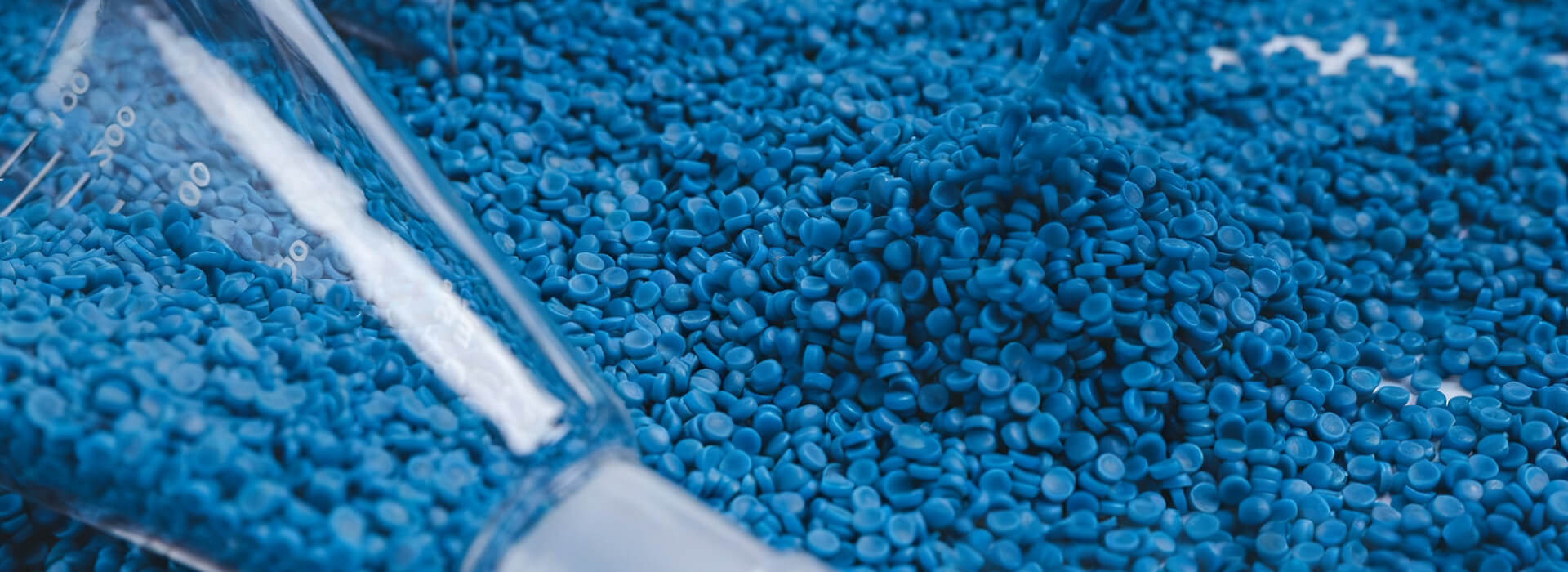
PVC Suspension Resin stands out as a white, free-flowing polymer powder or pearl, which forms the backbone of various plastic products reaching industries and households worldwide. Manufacturers rely on this material for its ability to adapt to wide-ranging requirements, from construction pipes and window profiles to packaging films and synthetic leather. Made through a suspension polymerization process, it produces fine, consistent granules that dissolve in specific solvents, unlocking versatility for both rigid and flexible applications. Without the uniformity and consistent quality of these granules, many of today’s reliable plastic products might not exist at their current standards.
Delving into the physical characteristics reveals why PVC Suspension Resin supports so many manufacturing processes. The typical density of this material sits around 1.3 to 1.45 grams per cubic centimeter, giving enough mass for rigidity while remaining light enough for handling and logistics. PVC Suspension Resin appears most commonly in a free-flowing solid or powder form, sometimes as small pearls or flakes, and produces a fine, nearly odorless and non-crystalline texture under ambient conditions. The molecular formula, (C2H3Cl)n, highlights the repeating vinyl chloride units, and its chemical structure delivers a material with strength, good transparency (when processed properly), and excellent adaptability. Solubility in water remains practically nonexistent, supporting its use where water contact is expected—think plumbing and outdoor uses.
Raw materials for PVC Suspension Resin include vinyl chloride monomer (VCM) and several additives used for stabilization during polymerization. The suspension process disperses VCM droplets in water, kicking off a free-radical polymerization that builds long-chain molecules—this construction gives the resin its rigid backbone and physical strength. In handling and further compounding, manufacturers often add plasticizers, stabilizers, lubricants, and colorants that personalize the resin for toughness, flexibility, and weatherability. The chemical resistance and durability tie directly back to its basic molecular structure, which makes this resin one of few plastics robust enough for decades of use in outdoor, chemical, and high-stress environments.
Industry grades depend on several common parameters, such as viscosity number, bulk density, particle size, and monomer residue. Typical viscosity measured in cyclohexanone solution (as required by international standards) hints at the average molecular weight, steering choices in processes like extrusion, calendaring, injection molding, and blow molding. Lighter densities enable easy mixing into dry blends for rapid processing, while pearl or fine powder formats fit specific mixing or dispersion systems. The resin rarely comes in liquid or crystal form outside laboratory work, sticking to its solid, powdery heritage in practical uses. Specifications stick closely to regulatory and industry guidelines, such as the K-value—which relates to molecular weight and impacts melt strength, clarity, and process temperatures.
For trade, logistics, and compliance reporting, stakeholders use the globally recognized Harmonized System (HS) Code 390410 for PVC Suspension Resin. This code simplifies cross-border movement and ensures line-of-sight from source to finished product. Owning experience in import-export work, it is easy to see how this unique number streamlines customs checks and provides end-to-end traceability in a complex global market.
Discussing safety, the focus turns to dust control and chemical stability. As a chemically stable solid, PVC Suspension Resin brings low immediate health risks in solid form, yet fine powders in manufacturing settings can trigger respiratory irritation when left uncontained. Vinyl chloride, the raw monomer, stands recognized as a hazardous chemical, so all polymerization facilities run with high scrutiny over emissions and residual monomer limits. In day-to-day handling, safe practices call for dust extraction, proper ventilation, and routine personal protective equipment (PPE) such as masks and gloves—especially in large production sites. Discarding process waste follows strict environmental guidelines since small traces of unreacted vinyl chloride can remain unless rigorously washed out.
Addressing environmental effects from PVC Suspension Resin begins at the raw material stage. Vinyl chloride production, use, and disposal each raise regulatory and community concern, largely due to health risks and persistent pollutants. Over years of industry observation, it’s clear that closed-loop systems and continuous monitoring can shrink monomer emissions dramatically. Downstream, the challenge lies in responsible recycling and disposal: while PVC lasts for decades in building and piping, end-of-life treatment demands careful separation and recycling infrastructure. One proven avenue is the investment in chemical recycling to recover high-quality feedstock from discarded PVC products, minimizing landfill volumes and recapturing valuable chlorine. Transparency in the supply chain and continued research into greener additives and stabilizers serve both human and environmental health.
For those with years spent in or around manufacturing, it becomes clear that PVC Suspension Resin forms the foundation for countless modern essentials, from infrastructure to consumer goods. As the push for sustainability sharpens, the sector responds with advances in bio-based plasticizers, reduced-emission processes, and enhanced recyclability. Builders, automotive suppliers, and packaging designers gain from the mix of toughness, workability, and chemical resistance inherent in high-quality resin, while research into alternatives and lifecycle management pushes the market toward future resilience. The journey of PVC Suspension Resin reflects a balance of performance, practicality, and responsibility.