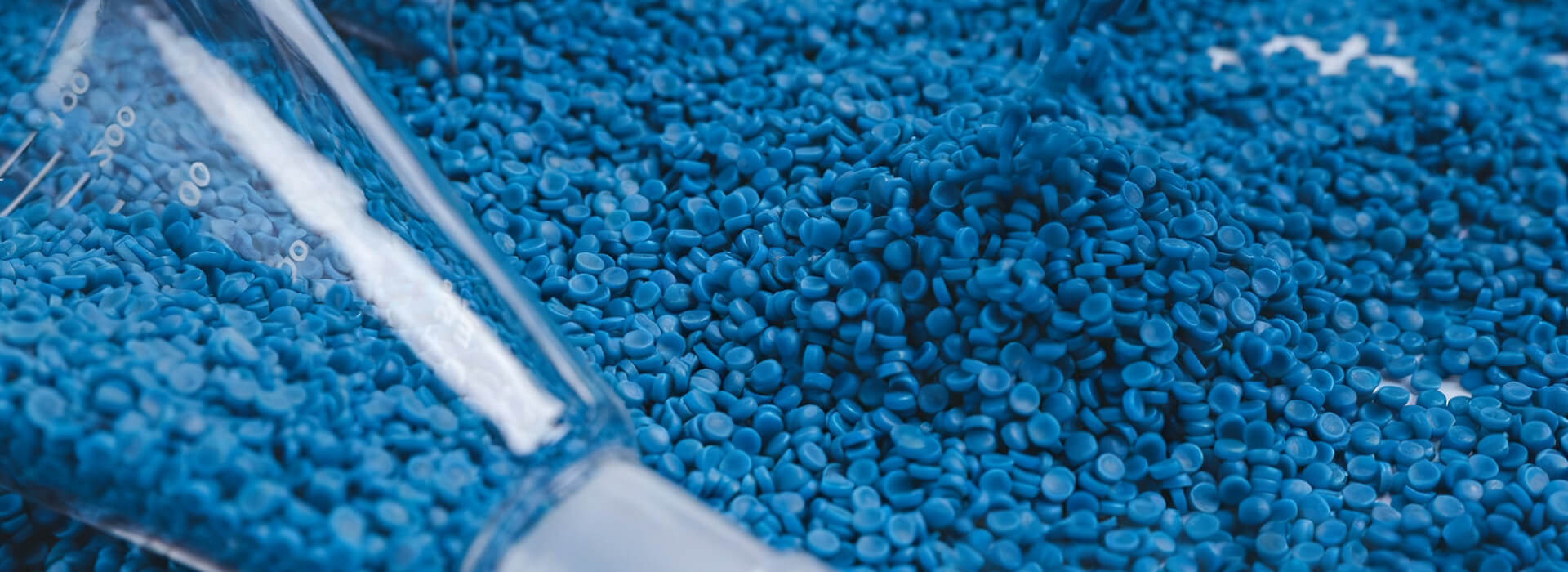
PVC paste resin forms the backbone of countless products most people see yet don’t notice. As a chemical company, keeping up with changes in PVC paste resin price can be as important as staying ahead of regulatory shifts. Think of all those imitation leather shoes, wall coverings, bath mats, and gloves—every one of those relies on the unique properties found only in quality paste PVC. In my years in this industry, I’ve watched pricing and technical standards shape what manufacturers can actually bring to market.
The structure of polyvinyl chloride paste resin gives it an edge where softness, pliability, and critical ease of shaping in slurry form matter. This is not just theory—walk through any shoe factory or cable insulation workshop in China or India, and you’ll see barrels of specialty paste PVC resin lining the aisles. Even the basic choice between suspension and emulsion grade PVC resin paste impacts longevity and color, affecting everything from toys to blood bags.
Talk to any PVC paste resin manufacturer, and price flashes in the eyes quickly. PVC paste resin price swings often ripple through production lines—especially for small and midsized converters. Large buyers monitoring the Chemplast PVC resin price today compare indices and call up suppliers, while others wait to see how the month shakes out. When the Chemplast PVC paste resin price ticks up, durable flooring makers or auto part suppliers sometimes pare back orders, adjusting their output and margins until the next round of pricing stability returns.
Many factors push PVC paste resin price up or down. International crude oil benchmarks, exchange rates, supply disruptions, government tariffs—all play a part. In the last year, Europe’s energy crunch and China’s regulatory clampdowns on energy use sent specialty paste PVC resin costs soaring. Inventory sat longer and some factories switched to lower grades or cut back on product ranges. As a chemical company, quick response to PVC paste price shifts builds trust with customers keeping margins tight.
PVC paste resin uses stretch well beyond what the average consumer imagines. In shoe uppers and synthetic leathers, the right viscosity ensures a smooth, flexible result that competitors struggle to imitate. For gloves, medical tubing, and flexible sheets, the choice between PVC paste resin K67, K66, and K70 shifts the balance between flexibility, plasticizer absorption, and mechanical strength. I’ve seen customers push the envelope for sharper embossing and brighter colors, all demanding supple, micro-scale control in their resin blends.
Cable insulation lines value stable, fine-particle PVC paste resin p450 for uniform coating. Graphics and screen printing call for specialty paste PVC resin with near-zero grain, building high-gloss, vivid wall coverings. Every PVC resin paste batch needs to match process requirements—wrong grade or poorly controlled batch, and the end product either splits, discolors, or fails testing. Changes in paste PVC quality can mean the difference between a trusted medical device and one that fails under stress.
Supplier reliability sets the floor for everyone working down the value chain. Not every PVC paste resin manufacturer offers the same consistency in grain size, plasticizer compatibility, or resistance to yellowing. Leading chem companies, like Chemplast, invest in fine-tuned reactors and continuous R&D. The Chemplast PVC resin family covers emulsion and suspension grades, catering to everything from medical to automotive uses. Customers tracking Chemplast PVC resin price need clear communication, honest insight on delivery timelines, and support for process changes.
A manufacturer with a proven track record gives peace of mind, especially in times of market churn. Operators avoid downtime and costly rework when they trust incoming polyvinyl chloride paste resin. In tight markets, many buyers check alternative suppliers or hold back orders until Chemplast PVC resin price today matches budget. Open communication prevents runouts, quality surprises, and lost weeks in crowded production lines.
Specialty paste PVC resin shows its strength where standard blends fall short. Decorative vinyl wallpapers with textures, doorskin panels for fire resistance, and clear medical tubes all depend on finely tailored formulas. Plastisizer uptake, purity standards, and stringently controlled particle size matter most for these premium end uses. Companies supplying these grades stand to gain when they can supply both steady quality and technical support—from lab testing to field trials.
Challenges in specialty applications pop up quickly—an uptick in demand for phthalate-free or non-toxic grades, for instance, can spark supply shortages or reformulation efforts. When PVC paste resin manufacturers respond with rapid innovation or documentation, their customers win. Environmental certifications and transparency on supply networks help buyers forecast potential risks and stay compliant in global markets.
Markets now value more than just technical specs and bottom-line price. Environmental and health regulators ask for lower emissions, tighter purity profiles, and extended product life cycles. PVC paste resin emulsion grade competes with bio-based plastics in certain consumer goods. At Chemplast and similar companies, technical teams track regulatory updates, run exposure assessments, and work with customers on lower-additive or low-odor alternatives wherever possible.
Players involved with ipex PVC pipe lubricant paste sds or any chemical product documentation see firsthand how compliance drives formulation changes. Gaining market share in North America or the European Union means updating safety data sheets, requalifying supply chains, and educating customers on any new handling guidelines. Fax machines, spreadsheets, and local representatives all come into play when sharing certification and troubleshooting packaging requirements.
To meet shifting demand, chemical companies can’t settle for yesterday’s answers. Investment in cleaner processes, automation, and product specialists ensures manufacturers stay high on buyers’ lists—even as raw material prices jump. Upgrading reactor design or introducing closed-loop water usage helps lower environmental footprint. Sharing test data on paste PVC blends, or working with downstream converters to fine-tune orders, means less waste and higher satisfaction on both sides.
Long term, collaboration stands out as the strongest tool. Buyers, suppliers, and even regulators work best together when information flows freely. A cable insulation plant facing a specific abrasion issue or a toy maker worried about new plasticizer rules both depend on deep expertise shared openly by resin producers. Keeping prices in line matters, but so does supporting technical questions, forecasting shifts, and finding new ways to re-use or recycle scrap material.
PVC paste resin remains a pillar for durable, hygienic, and flexible goods everywhere. Suppliers willing to respond quickly, innovate on the fly, and provide hands-on support can help manufacturers manage price volatility and regulatory hurdles. Companies choosing to share their knowledge openly create resilient supply lines, keeping industry moving and making sure that, in the face of any challenge, solutions aren’t far behind.